KNOWLEDGE CENTER

Technical Insights • Documentation • Visual Communication

TECHNICAL DOCUMENTATION

Understanding Before Communication

Why Effective Manuals Begin with Discovery

Clear documentation starts long before the first word is written.

Understanding your audience, product, and objectives leads to documentation that people can actually use.

Illustration of healthcare professionals connected through a clinical communication network representing collaboration and knowledge sharing.
TECHNICAL DOCUMENTATION

Understanding Before Communication

Why Effective Manuals Begin with Discovery

Clear documentation starts long before the first word is written.

Understanding your audience, product, and objectives leads to documentation that people can actually use.

Effective technical documentation begins with understanding the product, the people who will use it, the environment in which it will be used, and the outcome the documentation must support.

THE COST OF SKIPPING DISCOVERY

Why This Matters

When documentation begins before the subject matter is fully understood, assumptions begin to fill the gaps. Those assumptions can affect terminology, procedure sequence, illustrations, safety information, and the level of detail provided to the user.
 
The result may still look polished, but appearance alone does not make information useful. A professionally designed manual can fail if it does not accurately reflect how the product works or how the intended audience will interact with it.
 
Discovery reduces that risk. It allows the documentation team to identify missing information, confirm objectives, understand user needs, and establish the right communication approach before significant time is invested in writing, illustration, or layout. In doing so, it helps ensure the final documentation is accurate, useful, and consistent with its purpose.
WHAT DISCOVERY ACTUALLY INCLUDES

Discovery Is More Than Gathering Information

Many people think discovery means collecting reference material. In reality, it is about building a complete understanding of the product, the people who will use it, and the objectives the documentation must achieve.
 
Every project is unique. An installation guide for contractors requires different information than an operator’s manual for equipment users or a training manual for new employees. Discovery identifies those differences before writing begins.
 
Without this foundation, documents often become a collection of assumptions instead of a trustworthy communication tool.

Understanding the Product

Effective documentation begins with understanding how the product actually works, not just how it was designed to work.
 
This often involves reviewing engineering drawings, product specifications, existing documentation, photographs, prototypes, and demonstrations. Questions raised during this step can reveal missing information, inconsistent terminology, or opportunities to simplify complex procedures before they reach the final document.
 
The better the product is understood, the more accurately it can be explained.

Understanding the Audience

Technical documentation should be written for the people using it, not for the people who designed the product.
 
A maintenance technician, equipment operator, installer, and service engineer all have different levels of experience, responsibilities, and information needs. Knowing the audience affects terminology, reading level, illustration style, procedure sequencing, and the level of detail.
 
When documentation matches the audience, users spend less time interpreting information and more time completing tasks safely and correctly.

Defining the Objective

Every document should have a clearly defined purpose.
 
Is the goal to help someone assemble a product? Operate equipment safely? Perform maintenance? Complete required training? Troubleshoot a problem?
 
Defining the objective sets priorities for the entire project and helps determine what information belongs in the document. It also helps identify what should be left out.
 
Well-defined objectives lead to focused documentation that supports real-world tasks instead of overwhelming readers with unnecessary information.

Building a Communication Strategy

Discovery concludes with a communication plan.
 
At this stage, the documentation team has a clear understanding of the audience, the product, and the project’s objectives. Decisions can now be made about document organization, illustration requirements, terminology, safety messaging, and the overall communication approach.
 
Rather than beginning with pages and paragraphs, the project starts with a strategy. Writing, illustration, and document design become the result of that strategy, not the starting point. The result is documentation that is more accurate, more useful, and better aligned with its intended purpose.
DISCOVERY PROCESS

From Questions to Communication

Every project begins with questions—not pages.

Before illustrations are created or procedures are written, we work to understand the product, the people using it, and the outcome the documentation must achieve.

That understanding becomes the foundation for everything that follows.
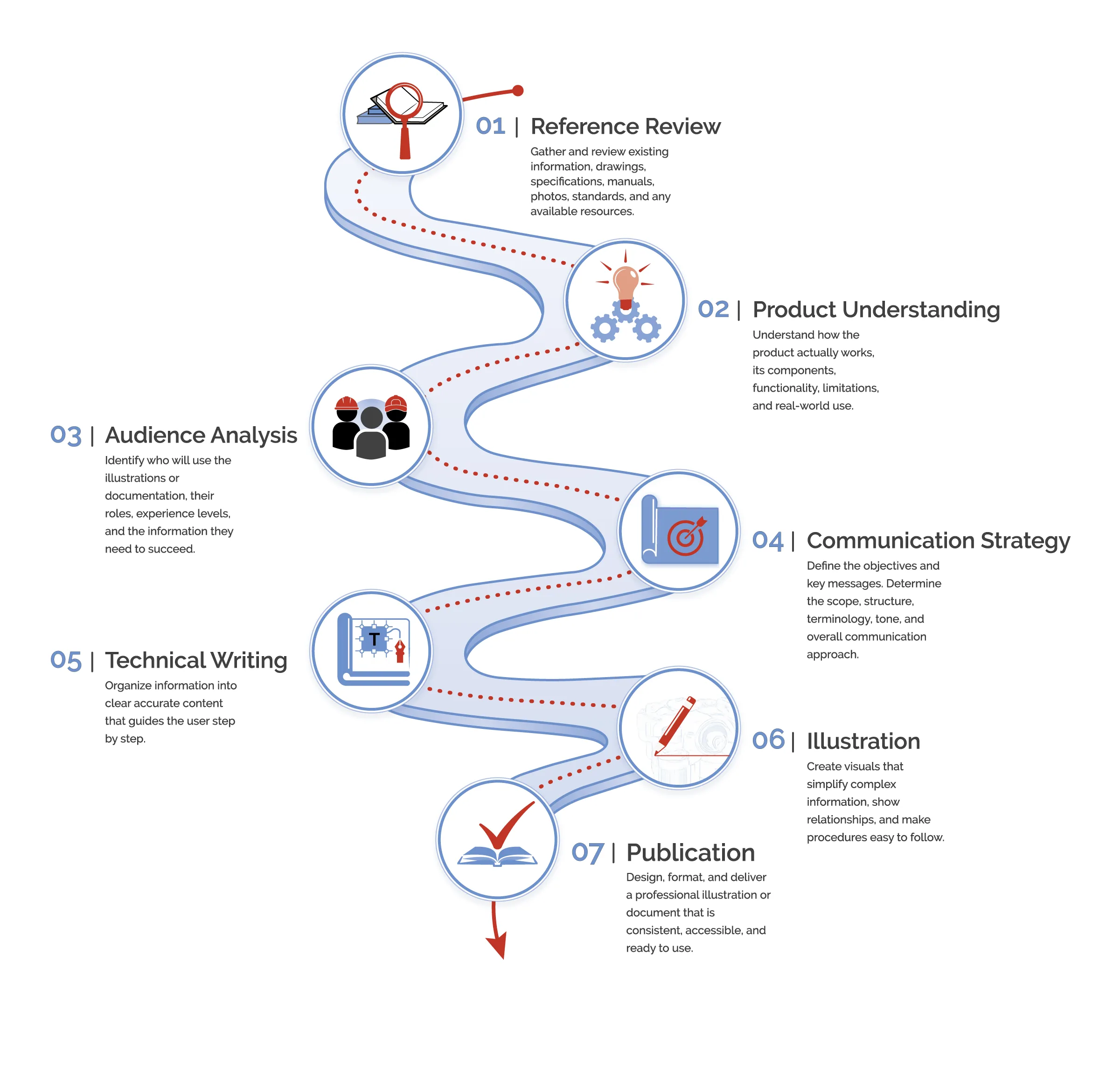
Figure 1 Lovett Design Discovery Process

Click image to enlarge

Figure 1 Lovett Design Discovery Process

Click image to enlarge

LOVETT DESIGN PRINCIPLES

Understanding Comes Before Communication

Effective communication begins with understanding the subject, the audience, and the intended outcome.

When those elements are clear, the resulting communication is more accurate, more useful, and easier to understand.

We do not begin by deciding what something should look like. We begin by determining what people need to understand.

HAVE A COMPLEX SUBJECT TO COMMUNICATE?

Let’s Begin with the Right Questions

Whether developing a technical illustration, product manual, procedure, or training document, begin by understanding what must be communicated and who will use it.
 
We help you turn complex information into clear, accurate communication ready to use.