INSIGHTS & RESOURCES

Knowledge Center

Practical insights into technical illustration, technical documentation, and technical communication. Every article is built on the same principle that guides our work: understanding comes before communication.

BROWSE BY TOPIC

Explore articles organized around the principles, methods, applications, and practical guidance behind effective technical communication.

Principles

The ideas that guide every successful communication project.

Methods

How we research, develop, validate, and refine technical content.

Applications

Technical illustration, manuals, process graphics, and real-world solutions.

Client Guidance

Practical advice for planning and managing your documentation project.

LATEST ARTICLES

Recent Insights

Explore practical insights into technical illustration, technical documentation, and the process of communicating complex information clearly.
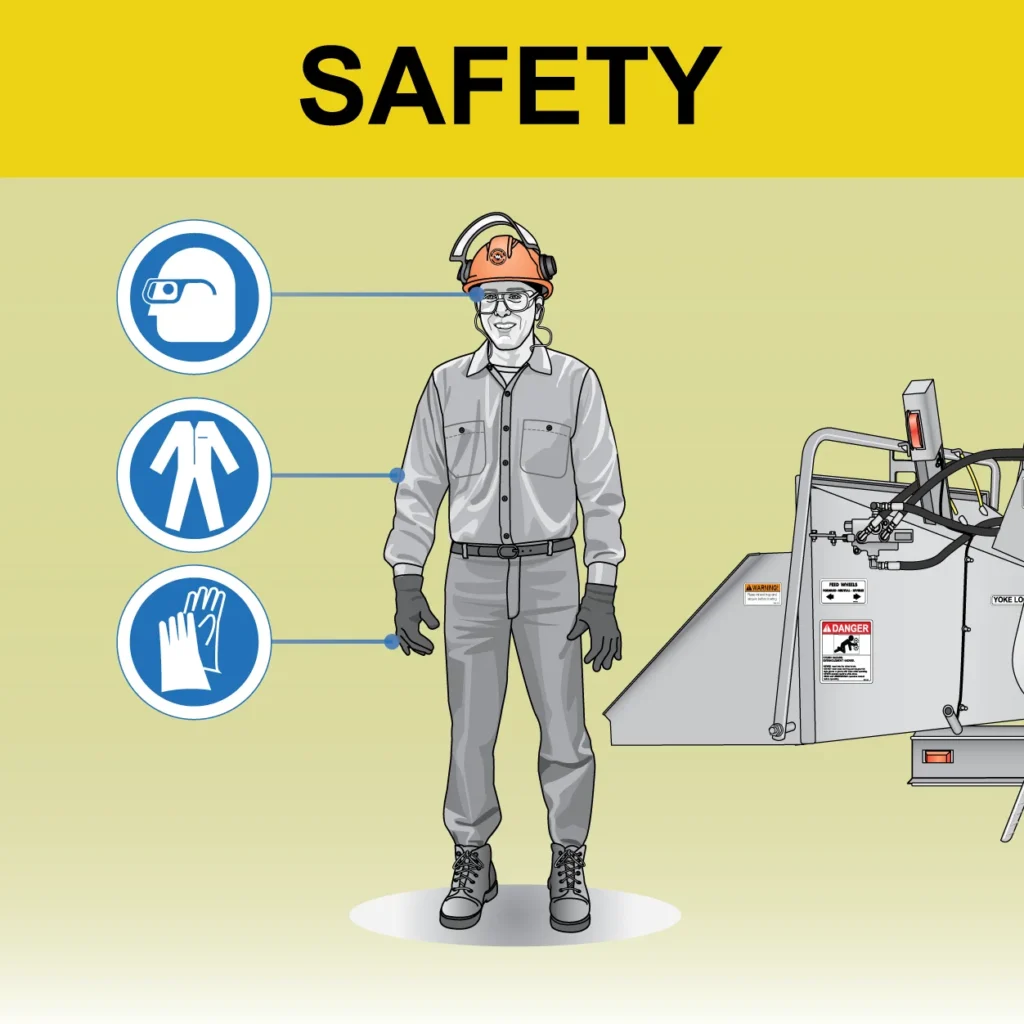
Technical illustration of a worker wearing safety glasses, protective clothing, and gloves, with PPE symbols and industrial equipment displaying safety warning labels.

Why Safety Warnings Matter in Technical Documentation

Safety warnings help protect people from injury, prevent equipment damage, and support manufacturers in meeting their safety responsibilities. Learn how clear writing, technical illustrations, and properly placed warnings make safety information more effective in product manuals.
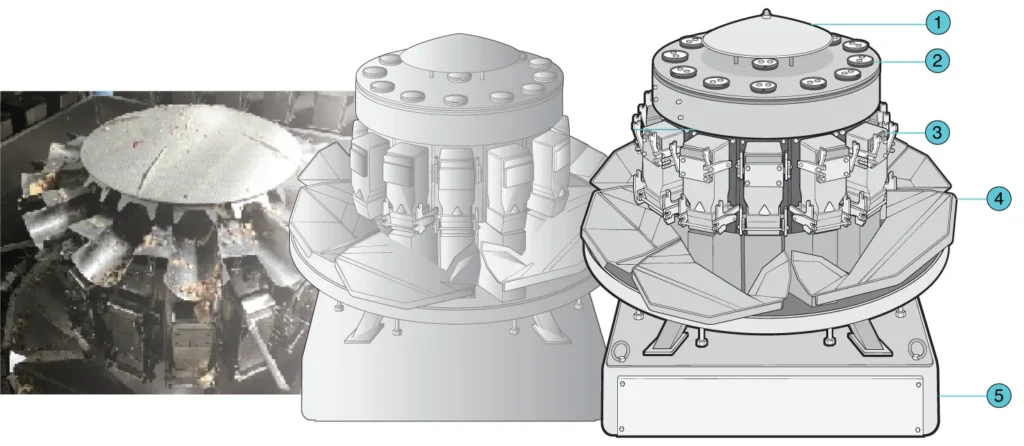
Industrial processing equipment shown as an original photograph, a shaded technical illustration, and a detailed line illustration with numbered component callouts.

Technical Illustration Creates Clarity

Technical illustration reveals hidden details, clarifies component relationships, and removes visual distractions to make complex equipment and processes easier to understand.
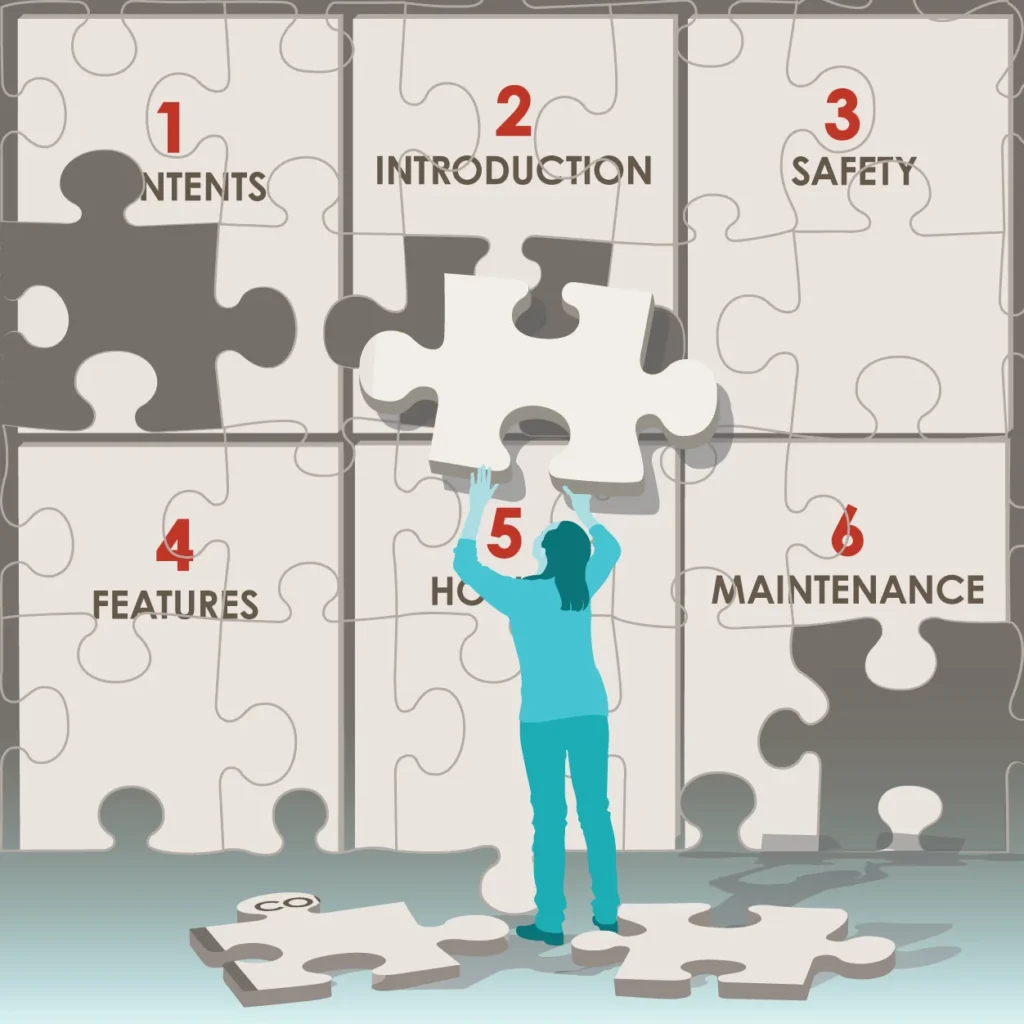
Illustration of a technical manual represented as interconnected puzzle pieces, with a person positioning a missing piece among the numbered sections.

Developing Technical Manual Structure for People Who Use It

Technical manual structure is more than organizing information into sections. Learn how identifying relationships and establishing a logical progression helps create documentation people can understand and use.
Illustration of a diverse group of people representing different audiences and information needs.

Every Audience Is Different

Effective technical communication begins with understanding the audience. Different users may need different information, levels of detail, terminology, and visual support from the same product.
Illustration of healthcare professionals connected through a clinical communication network representing collaboration and knowledge sharing.

Understanding Always Comes Before Communication

Effective documentation begins with understanding the product, the audience, and the objectives before writing begins.