
Technical Insights • Documentation • Visual Communication
Safety warnings play a key role in technical documentation. They help protect people from injury or death, prevent equipment and property damage, and support manufacturers in meeting their safety obligations.
Anyone installing, operating, maintaining, or troubleshooting equipment needs to clearly understand the hazards involved in their tasks.
Good documentation makes safety information clear and easy to find when people need it for their work.
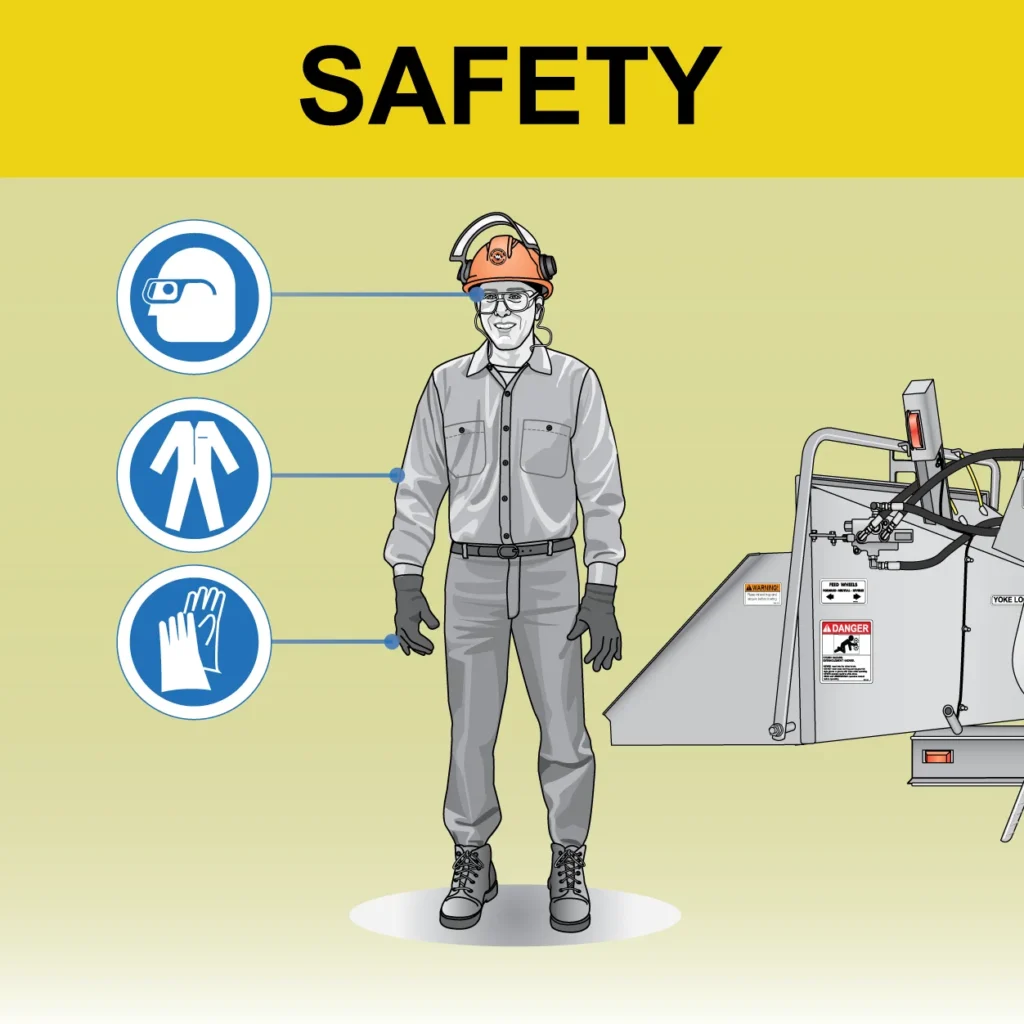
Safety warnings help people recognize hazards, understand their consequences, and take precautions to avoid them.
They also help manufacturers communicate product risks and meet their safety responsibilities, including providing clear warnings and promoting safer use.
A safety warning’s primary purpose is to protect people from hazards that could cause injury or death. This is especially important when a task involves hidden risks.
For example, a maintenance technician may need to disconnect a hydraulic line during servicing.
Even when the equipment is turned off, the system may contain stored pressure. Without adequate warnings and instructions, the technician may not recognize the risk of serious injury.
A properly developed warning helps the technician recognize the hazard and the precautions needed before work begins.
Not every hazardous condition directly creates a risk of personal injury. Some can instead damage equipment and surrounding property.
Improper installation, incorrect operating sequences, excessive loads, or unsuitable maintenance practices can result in costly damage.
For example, an incorrect lifting procedure may create both a personal injury hazard and the possibility of equipment damage. Other situations, such as using an unsuitable cleaning product on a sensitive component, may involve property damage alone.
These differences affect how safety information should be presented and what precautions need to be communicated.
Manufacturers have responsibilities to identify and address reasonably foreseeable product hazards and provide appropriate safety information.
Those responsibilities may arise from product safety regulations, applicable standards, and legal duties tied to a product’s design, manufacture, and sale.
Clear, accurate, and appropriately placed warnings can help demonstrate that the manufacturer communicated known or reasonably foreseeable risks. They may also become important evidence if a product-related injury or failure results in a legal claim.
However, warnings do not replace safe product design, protective devices, or other necessary risk-reduction measures. They work as part of a broader safety effort.
Safety documentation supports the manufacturer’s overall product safety program. It does not substitute for it.
Safety signal words and symbols help readers recognize hazards and understand their severity.
The ANSI Z535 series establishes widely recognized conventions for communicating product safety information.
ANSI Z535.6 addresses safety information in product manuals, instructions, and other collateral materials. The four commonly used signal words are:
DANGER: Indicates a hazardous situation that, if not avoided, will result in death or serious injury.
WARNING: Indicates a hazardous situation that, if not avoided, could result in death or serious injury.
CAUTION: Indicates a hazardous situation that, if not avoided, could result in minor or moderate injury.
NOTICE: Addresses practices that are not related to personal injury, such as preventing equipment or property damage.
These signal words help readers recognize a hazard’s severity before reading the full safety message.
Safety symbols provide another way to communicate hazards visually. They use recognizable graphics to identify risks such as electrical shock, hot surfaces, or moving machinery.
Not every warning requires a safety symbol. Their use depends on the hazard, applicable standards, and the manufacturer’s safety requirements.
Safety labels provide hazard information directly on the equipment. ANSI Z535.4 addresses the design and formatting of product safety signs and labels.
When safety labels are required on a product, the associated hazards and precautions should also be addressed in the manual where applicable. However, the manual’s wording and graphics do not necessarily need to duplicate those on the labels.
Regardless of where safety information appears, it should remain accurate, consistent, and appropriate for its intended audience.
Developing safety information requires cooperation between the manufacturer and the technical communication team, while the manufacturer retains final responsibility for the content.
The manufacturer provides product knowledge, hazard assessments, and safety requirements needed to develop accurate warnings.
Technical writers, illustrators, and documentation specialists organize and communicate that information so the intended audience can understand and use it.
Their work may include reviewing existing documentation, examining engineering information, identifying gaps in safety coverage, and recommending where additional warnings may be necessary.
For example, while developing maintenance instructions, a technical writer may recognize that a procedure requires access to components that could move unexpectedly.
If the source material doesn’t identify the associated hazard or required precautions, the technical communicator should bring that concern to the manufacturer’s attention.
The manufacturer can then evaluate the hazard, establish the necessary precautions, and provide or approve the appropriate safety information.
Safety information should receive careful technical review and, where appropriate, legal review before publication.
An omitted hazard, incomplete warning, or instruction that conflicts with another part of the manual can create safety concerns and potential legal exposure.
A documented review and approval process helps establish accuracy, consistency, and accountability.
Technical communicators can identify potential gaps and recommend improvements, but the manufacturer must verify and approve the content.
An effective safety warning generally communicates three things:
The nature of the hazard.
The potential consequences of exposure.
The actions required to avoid the hazard.
Consider a warning that simply states:
WARNING: Moving Parts.
Although this message identifies a hazard, it doesn’t explain what could happen or what precautions the reader should take, so it falls short of a complete warning.
A more complete warning would explain that moving components can cause serious crushing injuries and identify the precautions needed to prevent contact.
The exact wording and precautions must be based on verified product information.
Placement matters just as much.
Most technical manuals include a general safety section near the beginning, but general safety information doesn’t eliminate the need for task-specific warnings.
For example, a warning about unexpected machinery movement should appear before a maintenance procedure directs a technician to access the affected components.
Safety information should appear before the reader encounters the hazardous condition.
Consistent signal words, terminology, formatting, and placement help readers recognize safety messages and understand their significance throughout the manual.
Technical illustrations help readers understand where hazards exist and how they relate to equipment or procedures.
For example, an illustration may identify a pinch point between moving components, a hazardous movement zone, or a component that must be secured before maintenance.
Unlike a general safety symbol, a technical illustration can show the actual equipment, the hazard’s location, and its relationship to surrounding components.
However, these illustrations must be technically accurate.
An incorrect component position, misleading perspective, or omitted protective device can create confusion about the hazard or the required precautions.
Safety-related illustrations should be developed from verified technical information and reviewed alongside the written instructions.
Together, clear warnings and accurate illustrations help people understand the hazards associated with their work and the precautions needed to avoid them.
Technical illustrations can help people locate safety labels installed on equipment and understand where each label belongs.
A manual may include an equipment illustration with numbered callouts corresponding to individual safety labels.
These callouts can connect to label descriptions or replacement part numbers, helping maintenance personnel identify labels that are missing, damaged, or illegible.
Clear visual references help people identify, inspect, and replace safety labels when necessary.
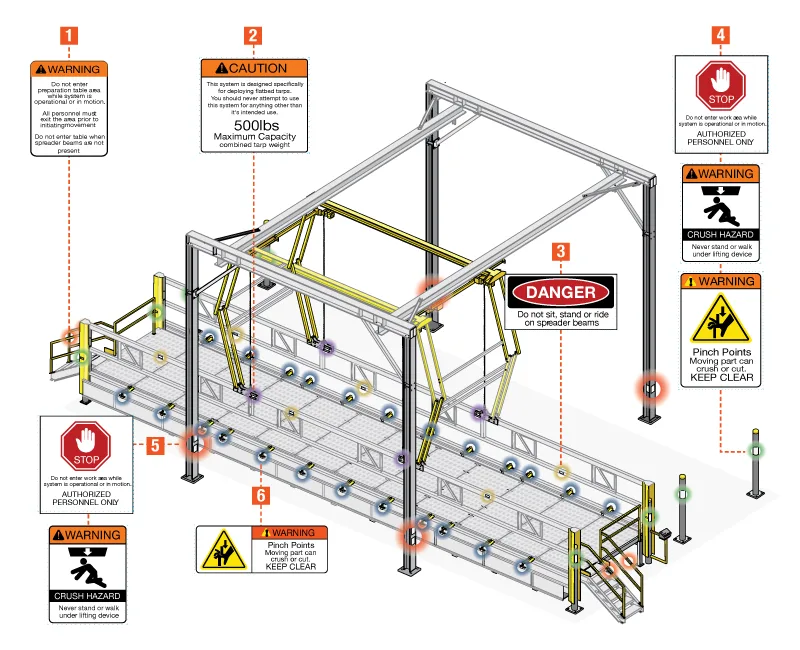
Figure 1: Identifying Safety Label Locations on Equipment
Click image to enlarge
Effective safety documentation begins with understanding the equipment, the hazards associated with its use, and the people who need the information.
Manufacturers provide the technical knowledge, hazard assessments, and safety requirements needed to establish accurate safety information.
At Lovett Design, we use that information to develop clear instructions, appropriate warnings, and technical illustrations that help people recognize hazards and understand the precautions required.
Safety information is most effective when technical accuracy and clear communication work together.
Whether developing a new technical manual or updating existing documentation, we help manufacturers organize safety information, communicate warnings, and create illustrations that support safe equipment use.