
Technical Insights • Documentation • Visual Communication
The same product can require very different information depending on who needs to use it.
Understanding the audience helps determine what information to include, how it should be presented, and what the user needs to accomplish.

The same product can require very different information depending on who needs to use it.
Understanding the audience helps determine what information to include, how it should be presented, and what the user needs to accomplish.
Effective technical communication begins with understanding who will use the information. Different audiences may interact with the same product in very different ways, requiring different instructions, levels of detail, terminology, and visual support.
A technically accurate document can still fail if it does not meet the needs of its users. Different audiences may use the same product, but their responsibilities, knowledge, and objectives can be very different.
A clinician preparing and configuring a medical device needs information about setup, calibration, adjustments, and settings. The patient using that same device needs to understand its controls, everyday operation, available features, and care. The product has not changed, but each audience needs different information.
Understanding those differences before documentation is developed helps determine what belongs in the document, the appropriate level of detail, and how the information should be communicated.
A product may be used, configured, maintained, or supported by several different people. Each person approaches it with a different responsibility and a different reason for needing information.
A medical device is a good example. A clinician may be responsible for preparing and configuring the device for a patient. The patient interacts with that same device as part of everyday life. Both need accurate information, but they do not need the same information.
For the clinician, documentation may need to explain setup, alignment, calibration, adjustments, and configuration. These are tasks that require technical knowledge and can directly affect how the product performs for the patient.
The patient needs a different set of information. Instructions may focus on controls, normal operation, available activities, adjustments, and care. The information needs to help the patient understand what the product is doing and how to use it correctly in everyday situations.
Neither audience needs everything the other audience knows. Each needs the information necessary to perform their own tasks.
Audience affects more than content. It also influences terminology, organization, level of detail, illustrations, and how procedures are explained.
Technical terminology that is appropriate for a trained clinician may require additional explanation for a patient. A setup procedure may require precise measurements and calibration steps, while operating instructions may benefit more from illustrations showing the product being used in familiar situations.
The goal is not simply to make information easier. It is to make the information appropriate for the person who needs to use it.
Audience should be considered before writing, illustration, or layout begins. Identifying who will use the documentation, what they already know, what they are responsible for, and what they need to accomplish provides direction for the entire document.
Those decisions help establish what information belongs, how much detail is necessary, and how the content should be organized and presented.
Same product. Different responsibilities. Different objectives.
A clinician and a patient may interact with the same product, but for very different reasons.
The clinician needs information to properly configure and support the product. The patient needs information to operate it confidently in everyday use.
The audience changes what needs to be communicated.
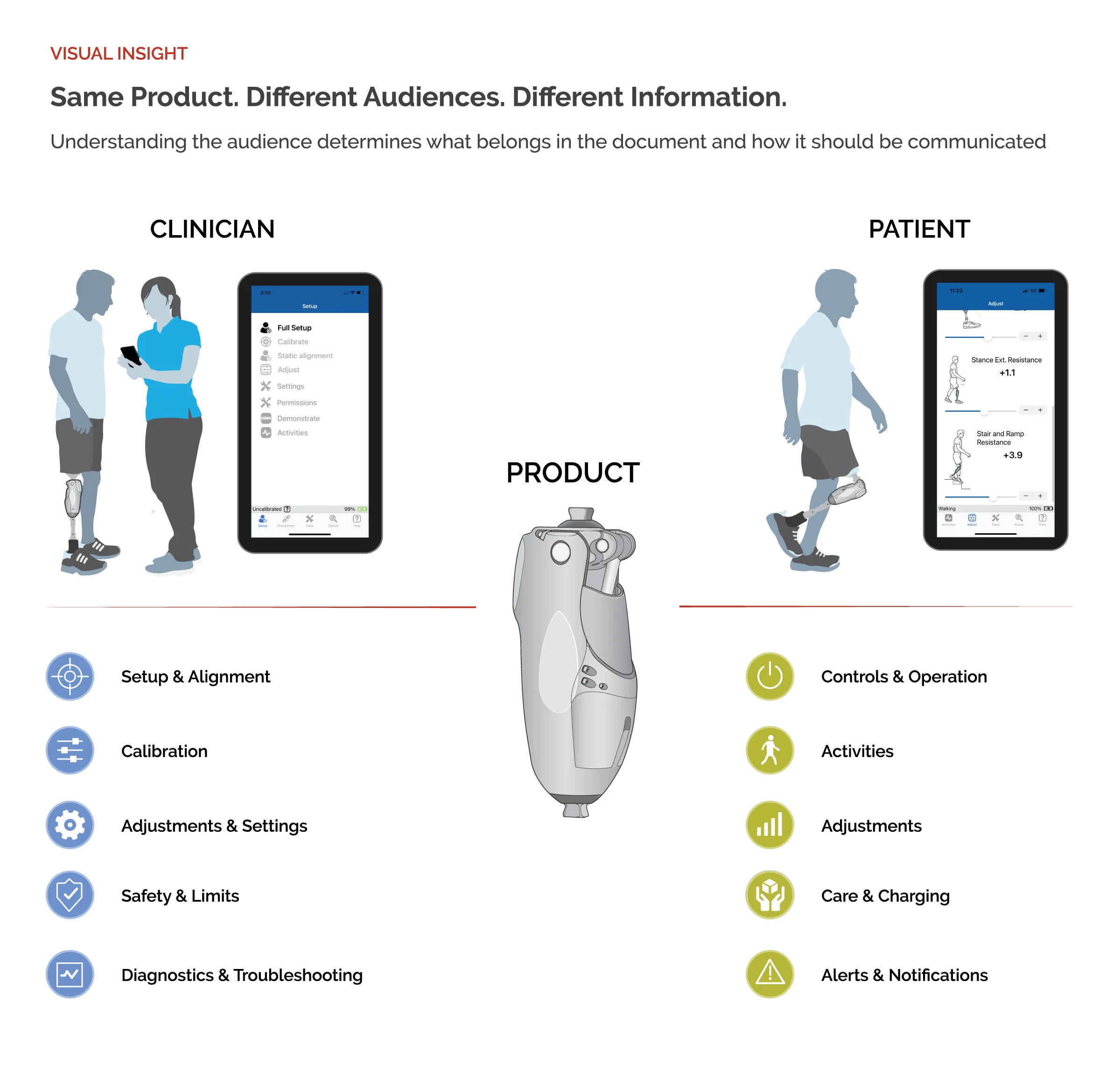
Figure 1 Different Audiences Require Different Information
Click image to enlarge
The audience does not adapt to the documentation. The documentation should be designed for the audience.