
Technical Insights • Documentation • Visual Communication
A photograph can show what equipment looks like, but it doesn’t always reveal the details someone needs to understand how it works.
By controlling what the viewer sees, an illustration can make complex information easier to understand and use.
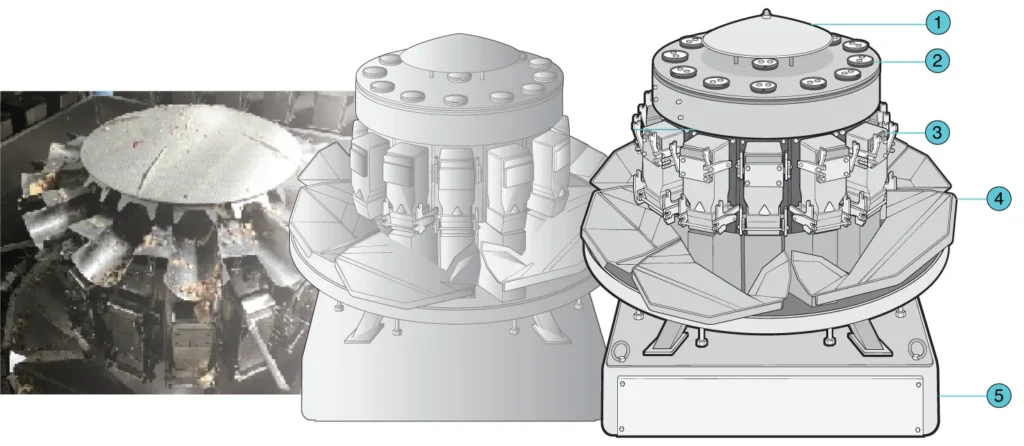
Technical illustration is more than creating an accurate representation of a product or piece of equipment. Its purpose is to help people see, understand, and use information that might otherwise be difficult to communicate.
By deciding what to show, what to simplify, and what to emphasize, a technical illustration can direct attention to the details that matter most.
Photographs, CAD models, and engineering drawings each serve a different purpose. A photograph depicts what is visible, a CAD model represents the product’s geometry, and an engineering drawing communicates technical specifications.
None of these sources necessarily presents information in the way an installer, operator, or maintenance technician needs to understand and use it.
Important components may be hidden, surrounding details may distract, or relationships between parts may be difficult to recognize.
Technical illustration bridges that gap by presenting information from the perspective of the person who needs to use it.
The goal isn’t simply to show more detail. It’s to show the right detail for the person who needs it.
A photograph can show only what’s visible from the camera’s perspective.
Technical illustration allows us to go beyond that limitation.
An illustration can remove an enclosure to reveal internal components, separate parts to show how they fit together, or present a view that would be difficult or impossible to photograph.
It can also eliminate visual distractions such as reflections, shadows, surrounding equipment, and unnecessary surface detail.
For example, an exploded view can show how components relate within an assembly. A cutaway can reveal an internal mechanism. A simplified operational illustration can focus attention on the parts involved in a particular procedure.
Some information also requires more than a single image. Installation, assembly, operation, and maintenance procedures often involve a specific order of actions or changes in component relationships.
A coordinated sequence of illustrations can show how a process develops from one step to the next, making the procedure easier to understand and follow.
These approaches help communicate information that may otherwise require multiple photographs or lengthy written explanations.
What we need to understand about a product isn’t always visible in a photograph.
Technical illustration allows us to reveal internal components, remove visual distractions, and emphasize details that may be difficult to see.
In this example, the exploded illustration reveals how the forklift’s components fit together, providing information that isn’t apparent in the photograph.
By controlling what remains visible and what receives emphasis, we can direct attention to the information the viewer needs to understand.
The value of technical illustration isn’t simply what it shows. It’s what it helps the viewer understand.
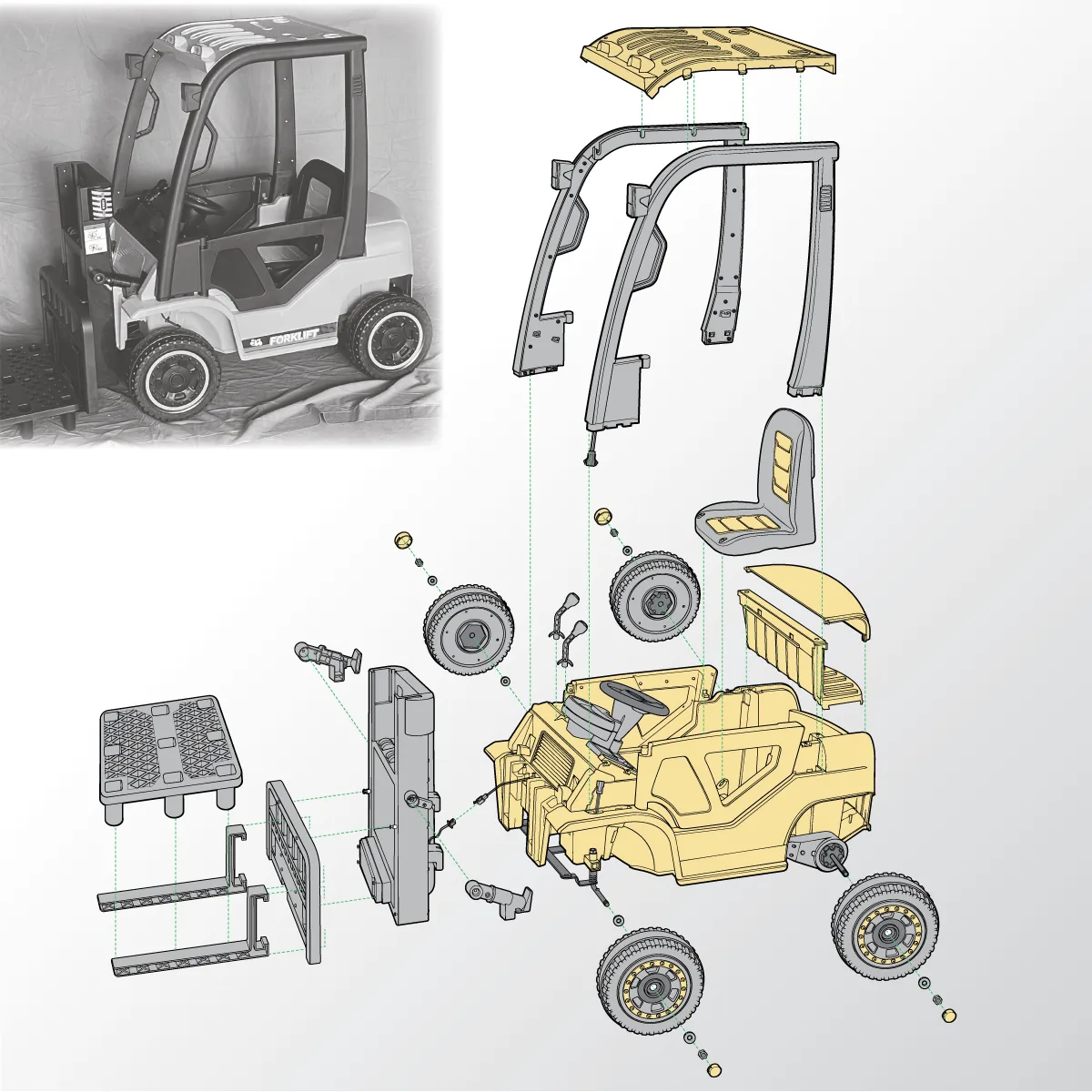
Figure 1: From Photograph to Technical Illustration
Click image to enlarge
Creating an effective technical illustration requires more than accurately depicting a product or its components.
We first need to understand how the product works, what information matters, and who will use the illustration.
That understanding guides our decisions about perspective, level of detail, visual emphasis, and how components and relationships are presented.
A successful technical illustration doesn’t simply show what something looks like. It helps people understand what they need to know.
Whether you need an exploded view, a detailed technical illustration, or a series of illustrations explaining a process, we can help determine the most effective way to communicate the information.