
Technical Insights • Documentation • Visual Communication
When developing a technical manual, the information we receive rarely arrives in the order someone will eventually need it.
The first challenge is understanding how the information relates. The next is organizing those relationships into a structure that helps people understand what they need to know and what they need to do next.
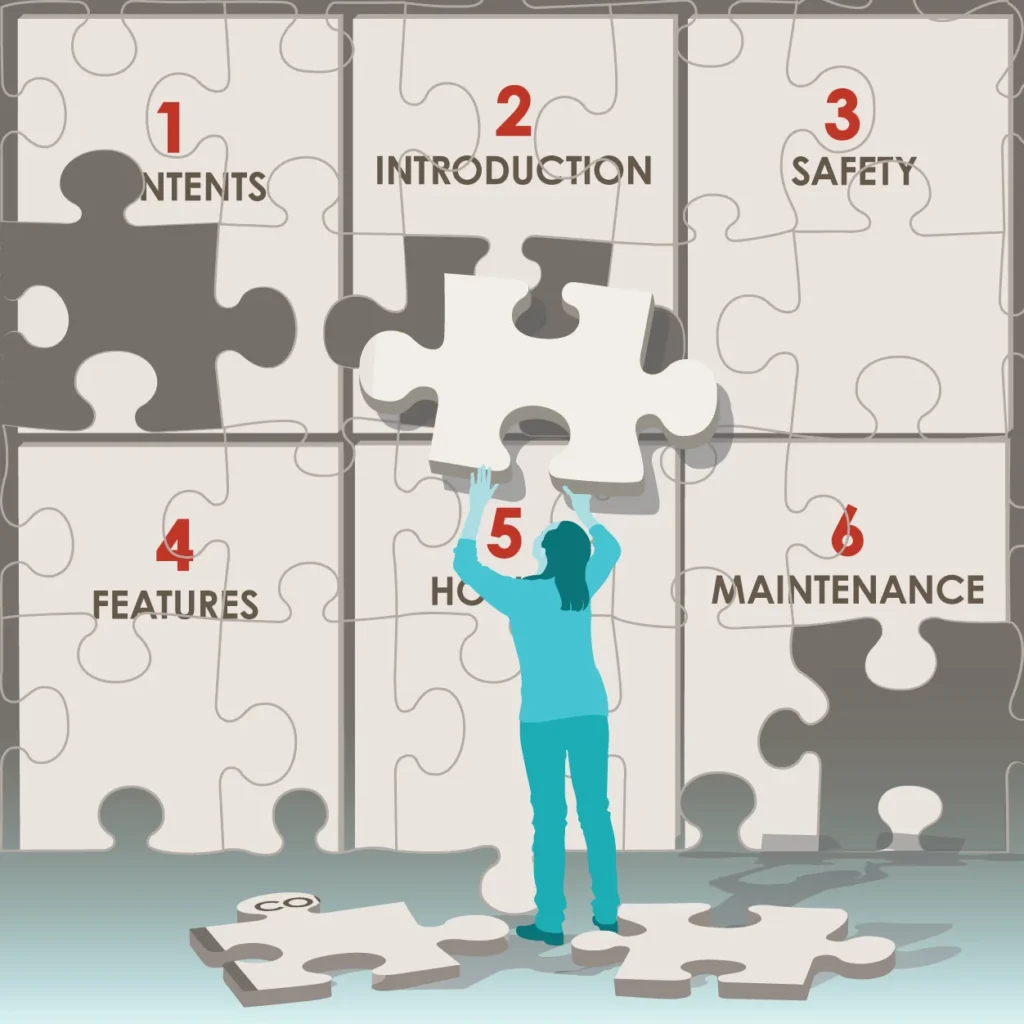
Effective technical documentation depends on more than having accurate information. Technical manual structure establishes a logical sequence that reflects how the product works, what the user needs to understand, and the tasks they need to accomplish.
A technical manual can contain all the necessary information and still be difficult to use if that information is poorly organized. When related information is separated, procedures are presented out of sequence, or important requirements appear too late, the reader must work harder to understand what to do.
Consider documentation that introduces an important requirement after a procedure has already begun, separates operating instructions from the controls they reference, or places essential troubleshooting information where it is difficult to locate. The information may be technically correct, but its placement interrupts the user’s workflow and can lead to confusion, unnecessary rework, or errors.
Establishing the structure before writing and layout begin helps identify these dependencies, resolve gaps, and place information where it is needed. The result is documentation that follows a logical progression, supports the intended audience, and makes complex information easier to understand and use.
When reviewing source material, we are not simply sorting information into sections.
We are looking for relationships.
What belongs together?
What does someone need to know first?
What information depends on something that came before it?
What needs to be understood before someone can safely move forward?
These relationships begin to reveal the structure of the manual.
An installation procedure, for example, may depend on information introduced earlier about components, required tools, site preparation, or safety precautions. Operating instructions may require the user to understand the equipment’s controls and functions before beginning a task. Maintenance procedures may depend on information about access, inspection points, or component identification.
The structure needs to reflect those dependencies.
Sometimes a client provides source material that already follows a logical sequence.
Often, it doesn’t.
Information may have been collected over time from different departments or developed for different purposes. A PowerPoint may explain one part of the process. Engineering drawings may provide another. An existing manual may contain useful information, but some of it may no longer belong where it currently appears.
Our job is not necessarily to preserve the organization of the material we receive. Our job is to understand it well enough to reorganize it when necessary.
That may mean moving information from the end of an existing document to an earlier section because the user needs it before beginning a procedure. It may mean combining information from several sources into one section. It may also mean identifying information that is missing altogether.
Restructuring existing information is an important part of developing a technical manual structure that supports the people who will use it.
Although every product and project is different, many technical manuals follow a similar underlying progression.
A typical structure might include:
Additional sections may be required depending on the product. Accessories, optional equipment, configuration changes, or specialized procedures may need their own place within the document.
The point isn’t to force every manual into the same template.
The structure should follow the product, the audience, and what the user needs to accomplish.
A well-structured manual does more than make information easier to find.
It creates a path through the information.
Someone preparing to install a piece of equipment should not have to discover halfway through the procedure that there was an important site requirement buried later in the manual.
An operator should not have to search through installation information to understand a control they use every day.
A maintenance technician should be able to move from identifying a problem to locating the information needed to address it.
When the structure works, the document begins to anticipate the user’s questions:
What is this?
What do I need before I begin?
What do I do next?
What happens if something goes wrong?
That progression reduces the amount of work the reader has to do to make sense of the documentation.
Raw information may initially appear to be a collection of unrelated pieces.
Once the relationships between those pieces are understood, patterns begin to emerge. Those relationships help determine how the information should be grouped, sequenced, and presented.
Structure turns individual pieces of information into a path the reader can follow.
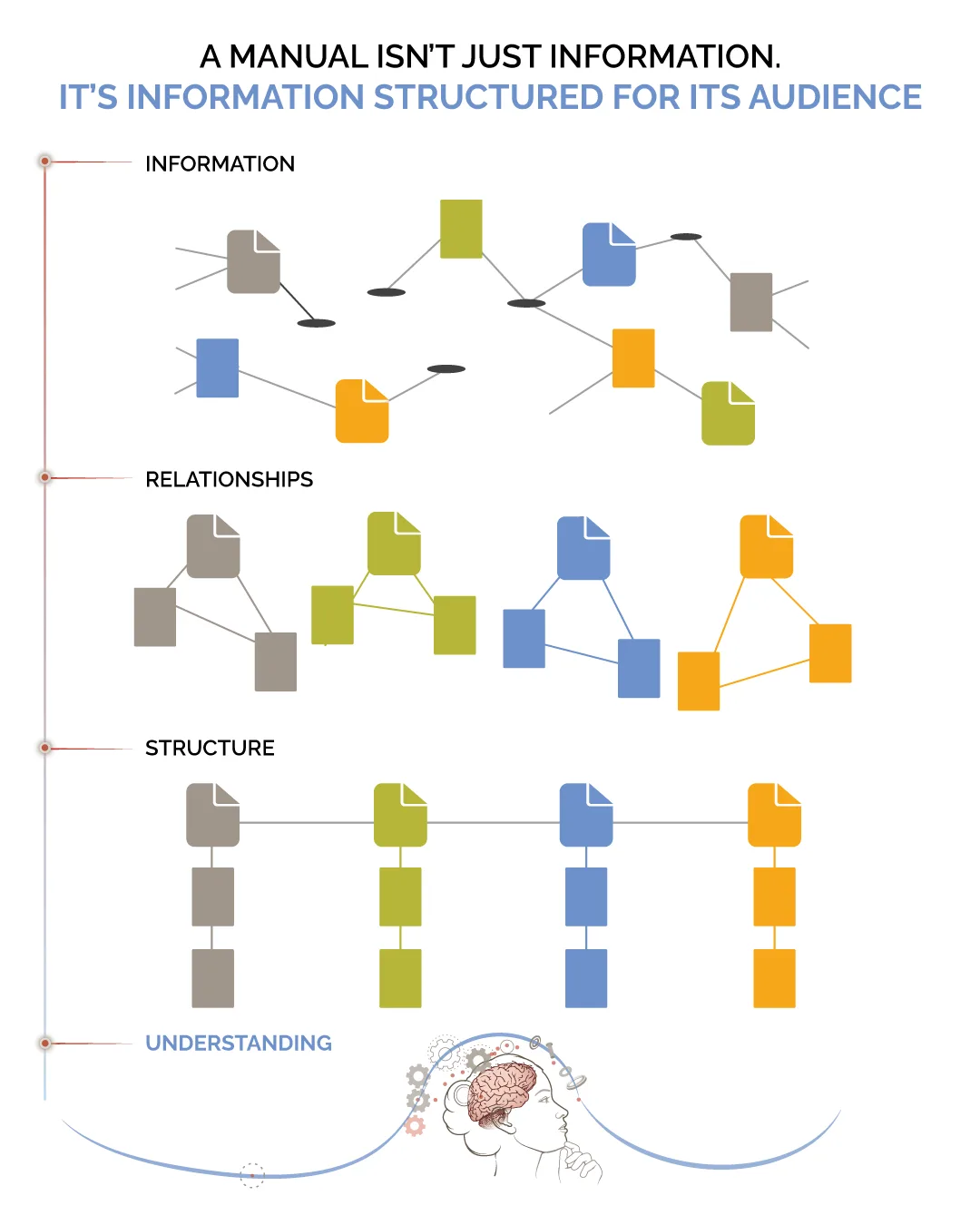
Figure 1: From Information to Understanding
Click image to enlarge
Good technical communication isn’t simply a matter of writing clearly or creating effective illustrations.
The information first has to make sense as a whole.
Before developing pages, procedures, illustrations, and layouts, we determine how the information relates and how to present those relationships.
Information becomes useful when people understand where it belongs, how it connects, and what they need to do next.
Whether developing a new manual or reorganizing existing documentation, we help determine what information belongs, how it relates, and where it needs to appear.